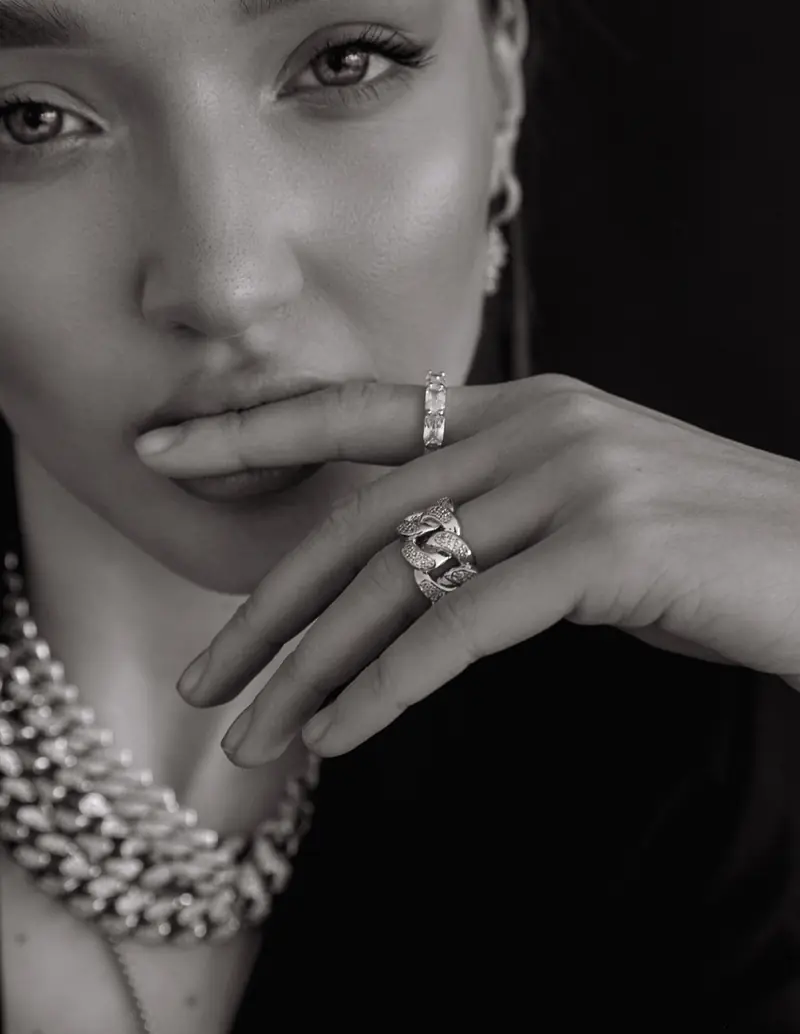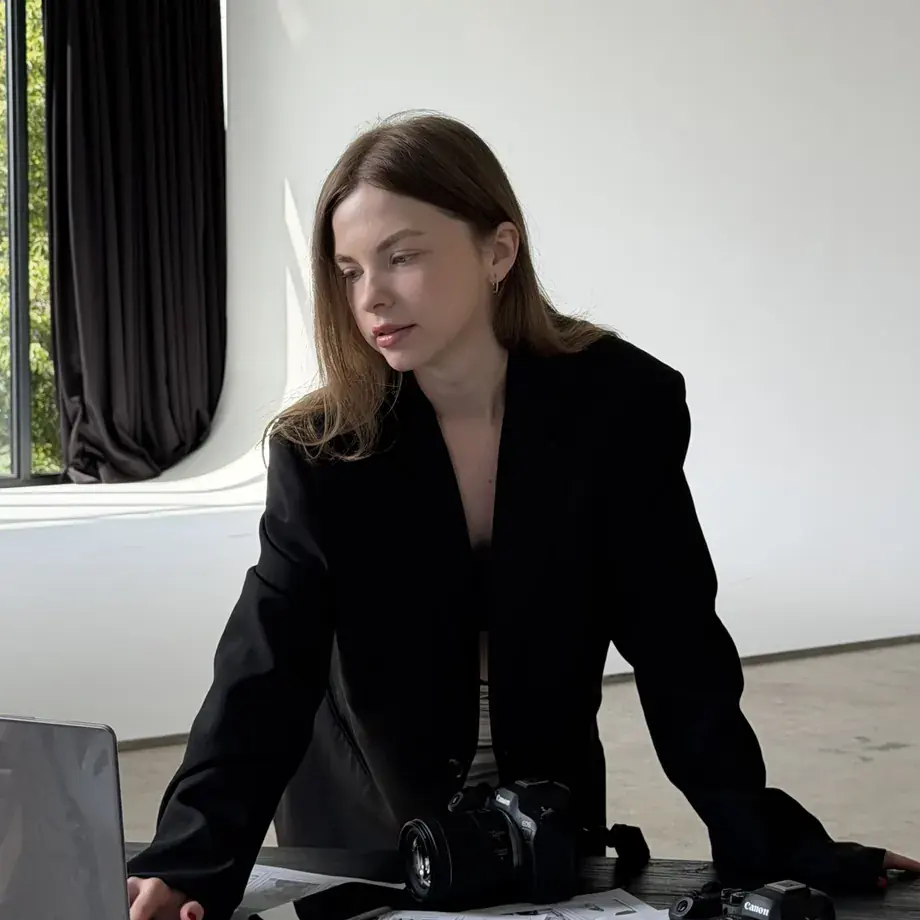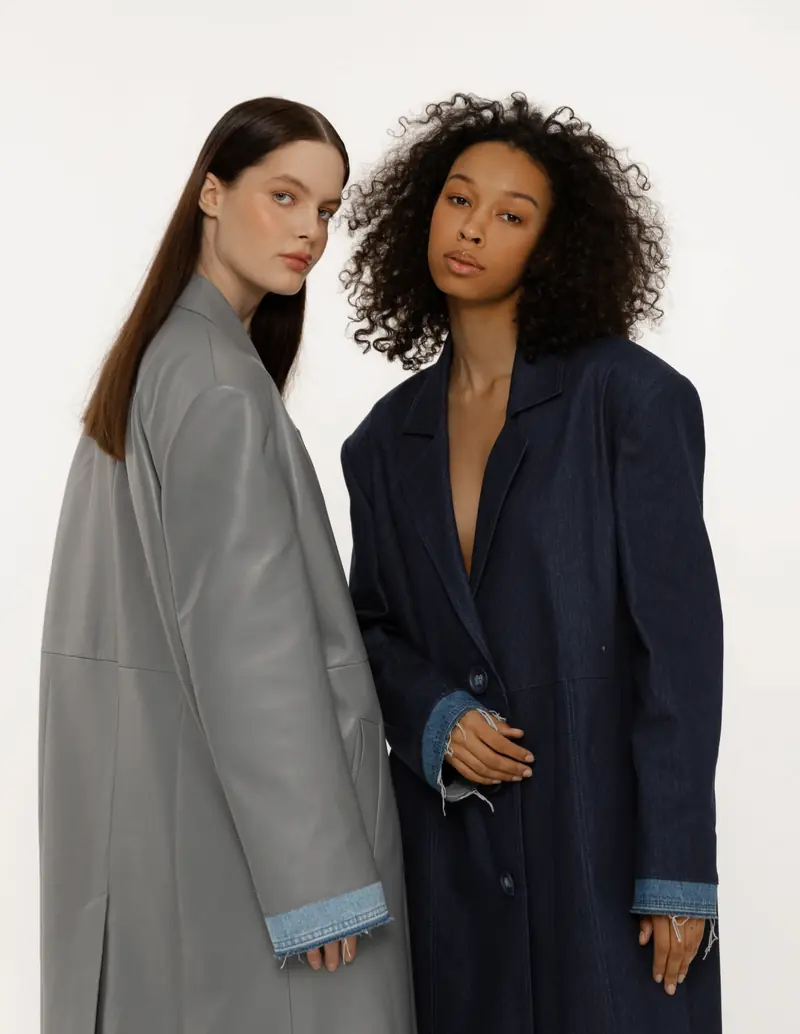
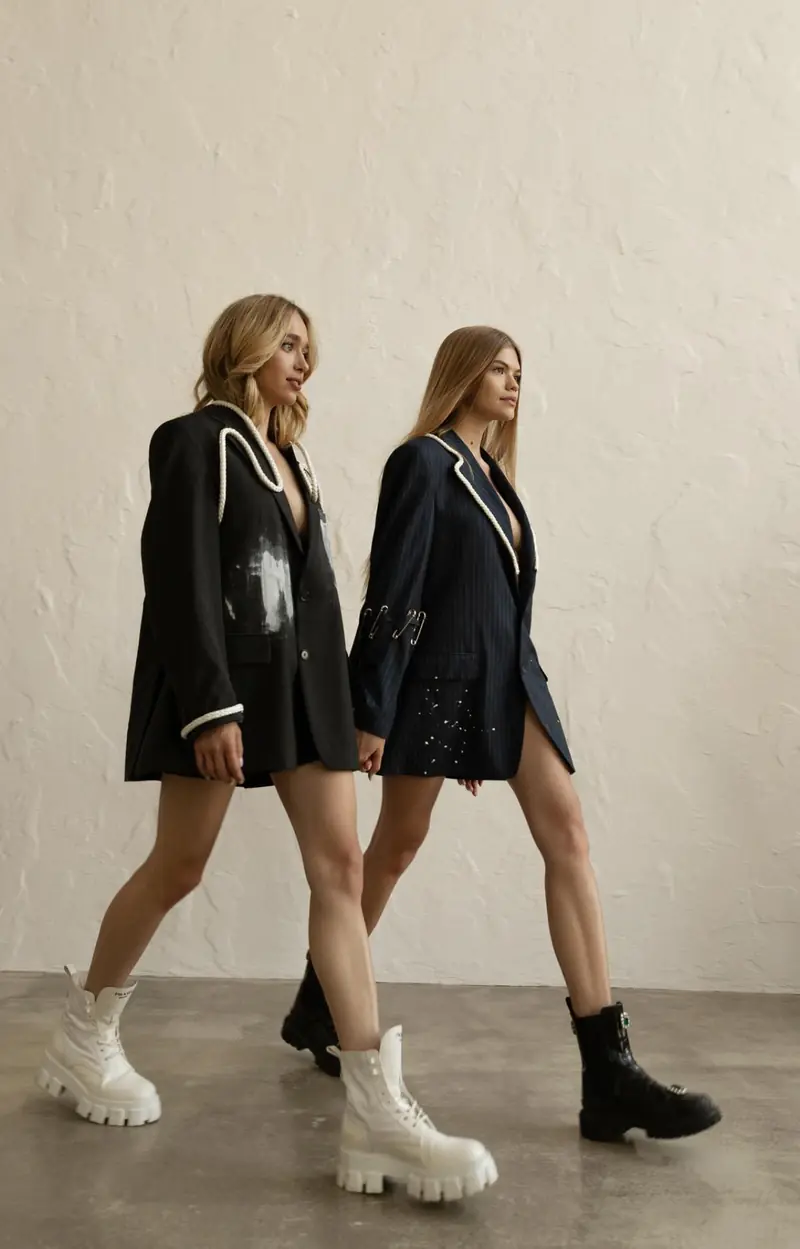
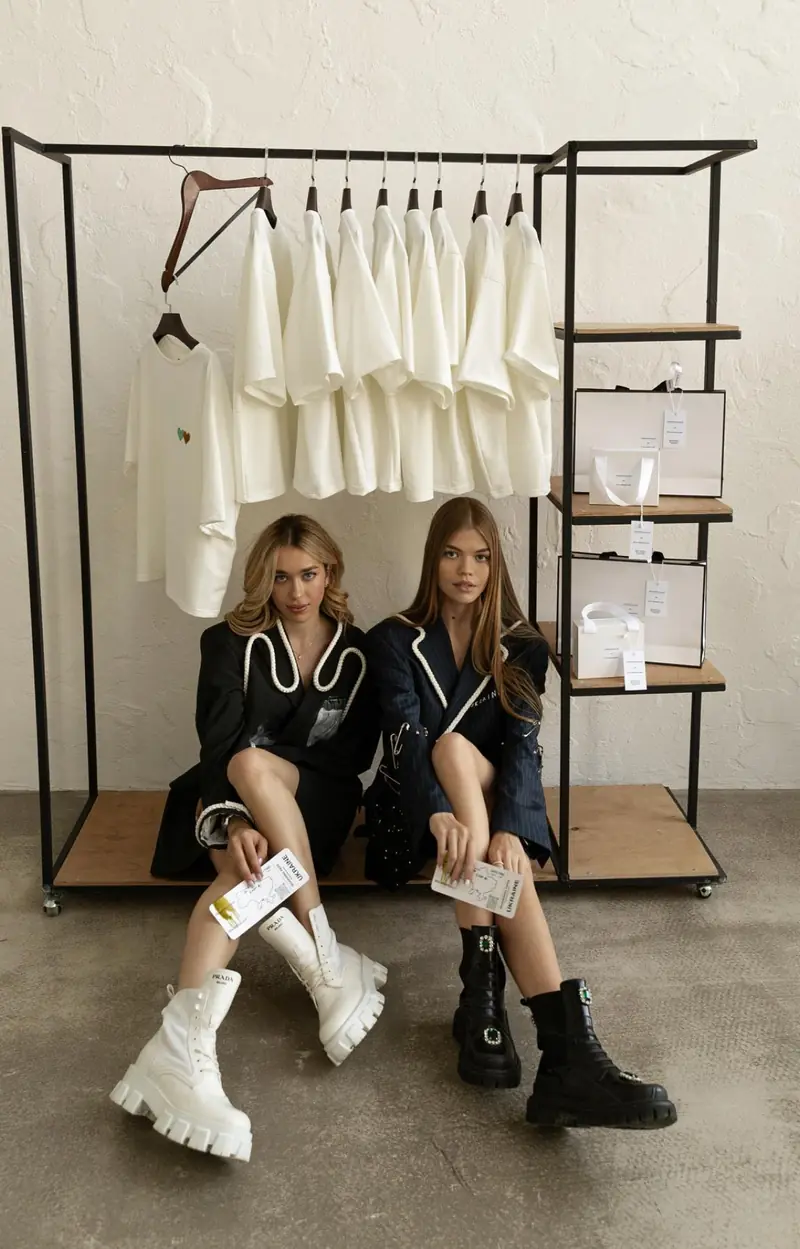
On a photoshoot, a stylist plans and prepares the clothing and accessories, a makeup artist prepares the face and the look, and the photographer captures the result. The three work from the same brief and references. Decide which roles your shoot needs, share the plan early and agree who arranges and pays for each role.
Why do roles matter on a branded shoot?
A brand photo is a small production. Clothing, skin, hair, light and pose all show in the picture. When each part has someone who cares about it, the photographer can focus on the image. When nobody owns a part, the day slows down.
This guide is general. It describes how these roles usually work in the industry, not how any particular team is staffed.
What does a stylist do?
A stylist usually:
- reads the brief and the references
- chooses, sources or arranges clothing and accessories
- builds the looks and the order of changes
- prepares the garments: steaming, repairs, sizes, labels
- adjusts the look on set: fit, folds, collars, layers
- keeps track of the items and returns what was borrowed
On a brand shoot, a stylist helps the clothes and the brand tone agree.
What does a makeup artist do?
A makeup artist usually:
- discusses the look with you and checks the references
- prepares the skin and builds the look
- considers the light and the camera, so the result holds up
- touches up during the day, as light, changes and time pass
- helps with hair, if that is part of the role
Hair is sometimes a separate role, so ask who covers it.
How do they work together with the photographer?
The roles overlap on set, so the day goes better with a clear order:
- Before. One brief, one moodboard, one list of looks.
- First look. Makeup and styling are prepared, the photographer checks light and pose.
- Between looks. The stylist changes garments, the makeup artist refreshes the face.
- On set. The stylist and makeup artist check details between shots, without slowing the work.
- After. Everyone knows what was used, for any credits or returns.
One person should be the point of contact for the day. Decide who it is.
Do you need both?
It depends on the shoot:
- Fashion or campaign with several looks: both roles usually help.
- Beauty and skincare: the makeup role matters more; styling may be light.
- Personal brand portraits: a lighter plan can work; sometimes only makeup, sometimes only styling.
- E-commerce: styling and garment preparation matter most.
- Events: touch-ups on key people, as the schedule allows.
Our fashion brand service covers campaigns, lookbooks and e-commerce, and a full shoot can include models, location, studio, creative direction and production. If you want a branded shoot with these roles, message us about what you need, and we will tell you what is possible. Details are shared after your message.
What should you prepare?
- A brief. The goal, the use and the tone.
- References. Three to five images for the look.
- A looks list. Each look, with the garments and the order.
- Sizes and fit. Models' or clients' sizes, shared early.
- Colours. Outfits that match the brand colours.
- Skin and sensitivities. Allergies and products to avoid, shared in advance.
- Time. Enough for each change and touch-up.
- A space to change and a place to rest.
For outfit choices on personal shoots, read what to wear to a branding photoshoot.
What makes the day go smoothly on set?
Small habits help a lot. Arrive with the looks list and the references printed or on a phone. Keep garments in order of use, so the stylist can find the next look quickly. Check hair and makeup in the light that will be used, not only in the mirror. Allow time between looks for changes and touch-ups, because rushing shows in the pictures.
Agree how feedback works. If the client has comments on a look, they should go through the point of contact, not to each person separately. Quiet, specific feedback such as "a little less shine on the forehead" is easier to act on than "something feels off".
Last, keep notes. Write down what was used for each look: garments, colours, products. If you shoot again, you can match the earlier session, and your brand stays consistent.
What about cost?
Styling and props, people on set and the length of the shoot are all price factors. Ask who arranges each role and what is included in the quote. We cover the questions to ask in what affects the cost of a fashion photoshoot. We share pricing on request.
Checklist: before the day
- [ ] Roles decided: stylist, makeup, hair
- [ ] A single point of contact
- [ ] Brief, references and looks list shared
- [ ] Sizes and sensitivities shared
- [ ] Garments prepared and labelled
- [ ] Schedule with time for changes
- [ ] A space to change and rest
For how a planned day can feed weeks of posts, see one shoot, a month of content. Ready to talk? Message us on Instagram @be_an.art or use the contact page. Our professional brand photoshoot page describes the service, and the fashion section lists related guides.
Frequently asked questions
What does a stylist do on a photoshoot?
A stylist chooses and prepares the clothing and accessories, builds the looks with the brief in mind and adjusts them on set so they look right on camera.
What does a makeup artist do on a photoshoot?
A makeup artist prepares the skin and face, creates the look and touches it up during the day so it holds up under lights and across changes.
Do I need both a stylist and a makeup artist?
It depends on the shoot. A branded campaign with several looks usually benefits from both; a simple portrait may need only one or neither.
How early should I book them?
As early as the plan allows. Share the date, the brief and the references so they can prepare.
Written by Anna · Nov 23, 2026 · 4 min read.