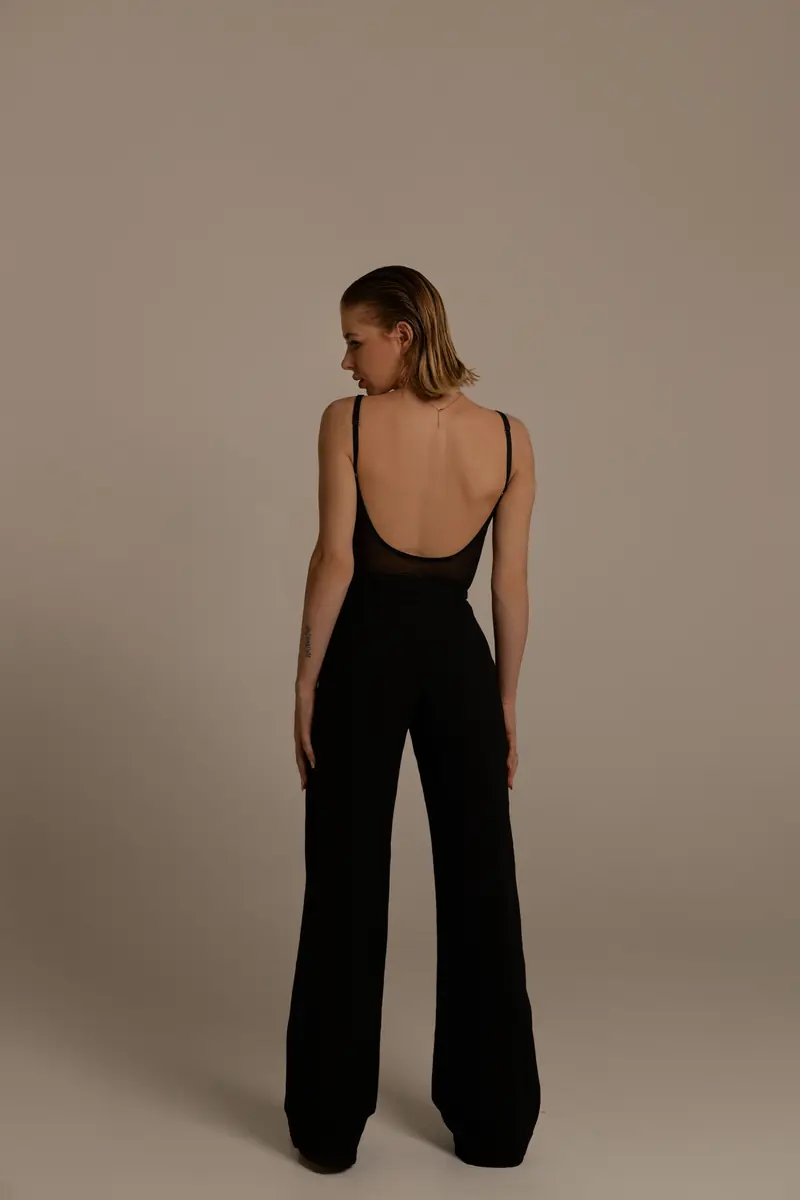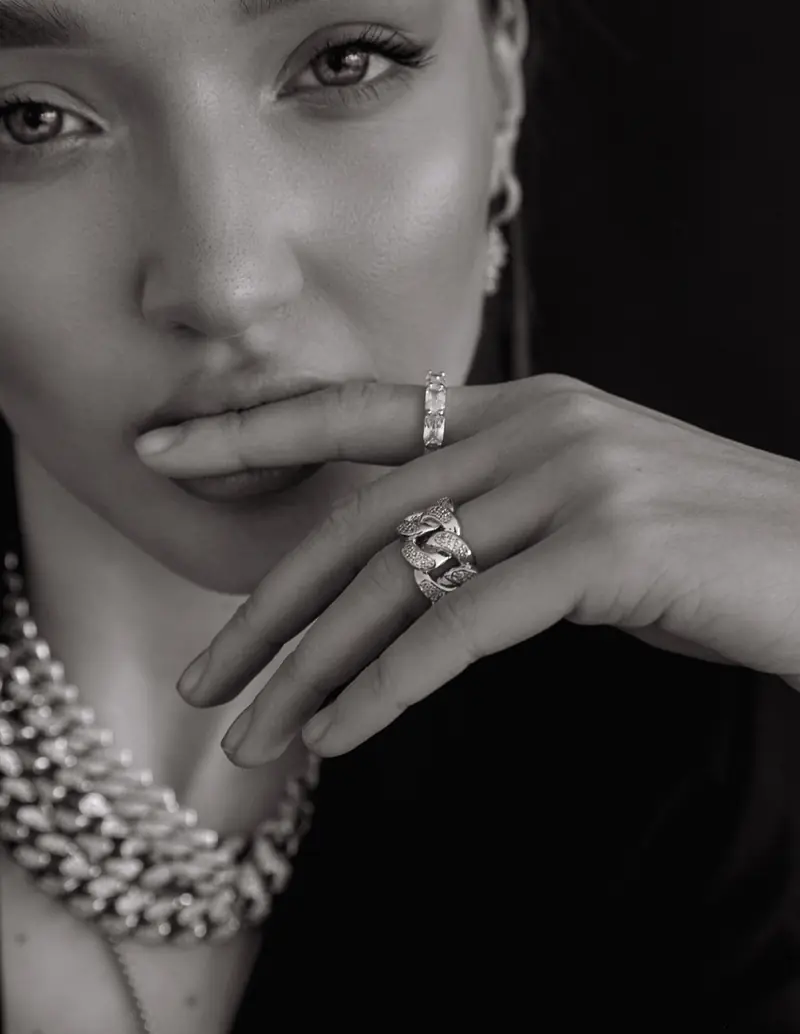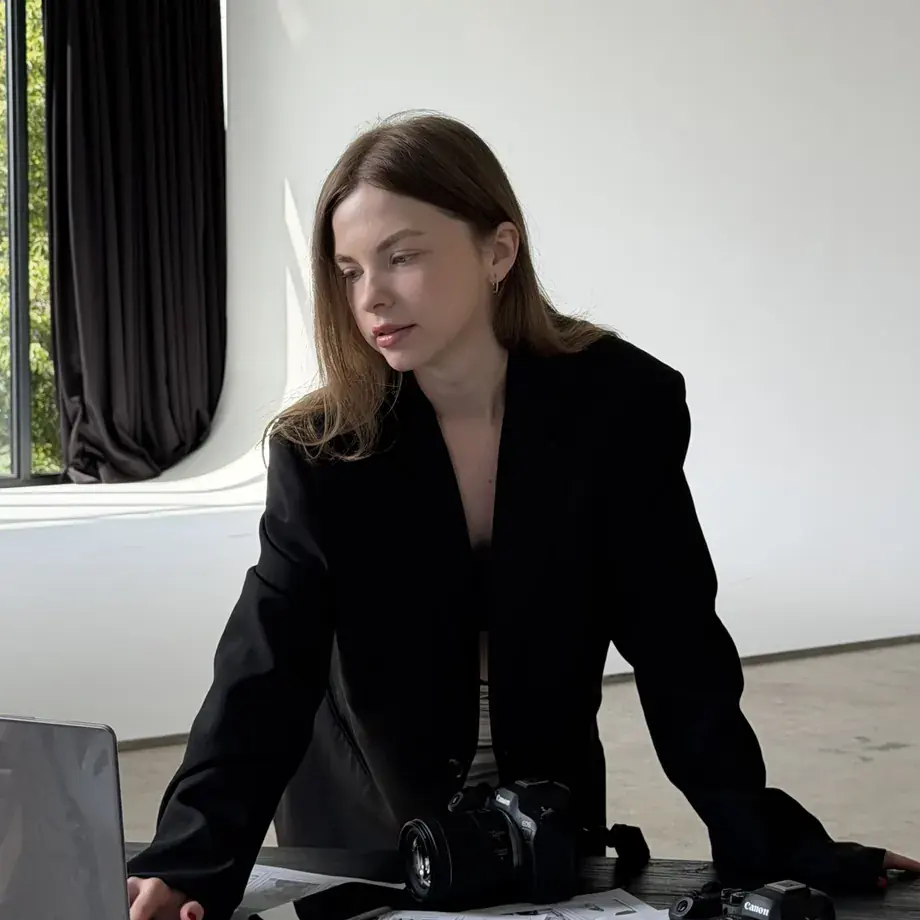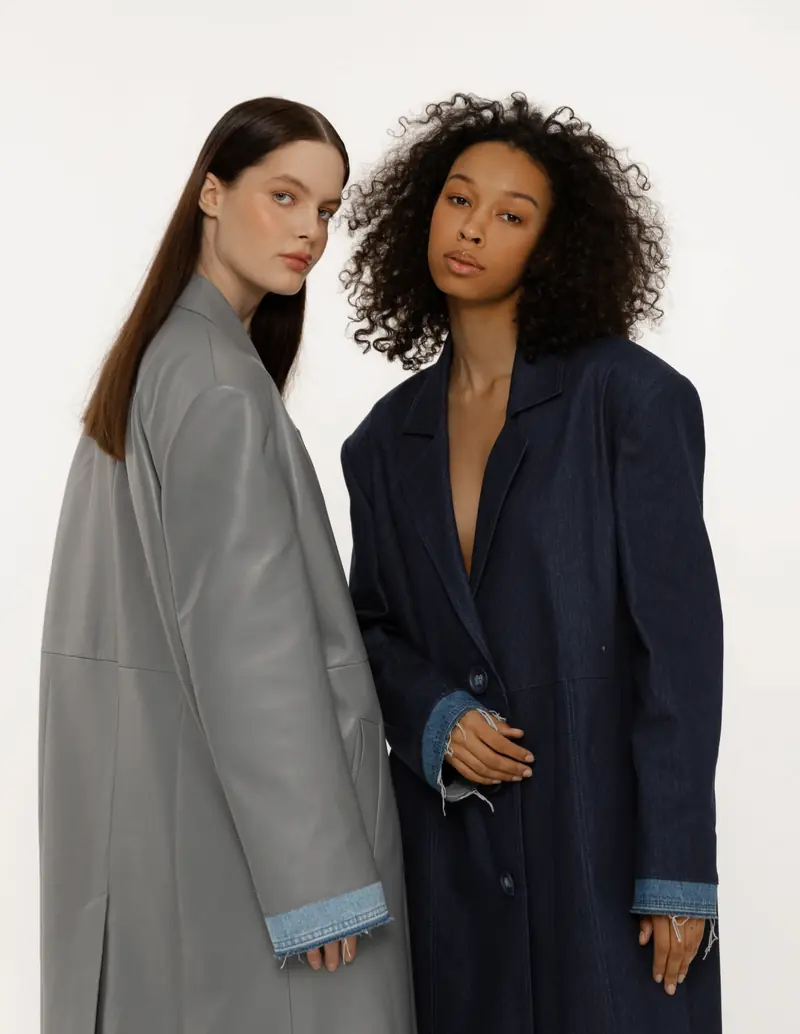
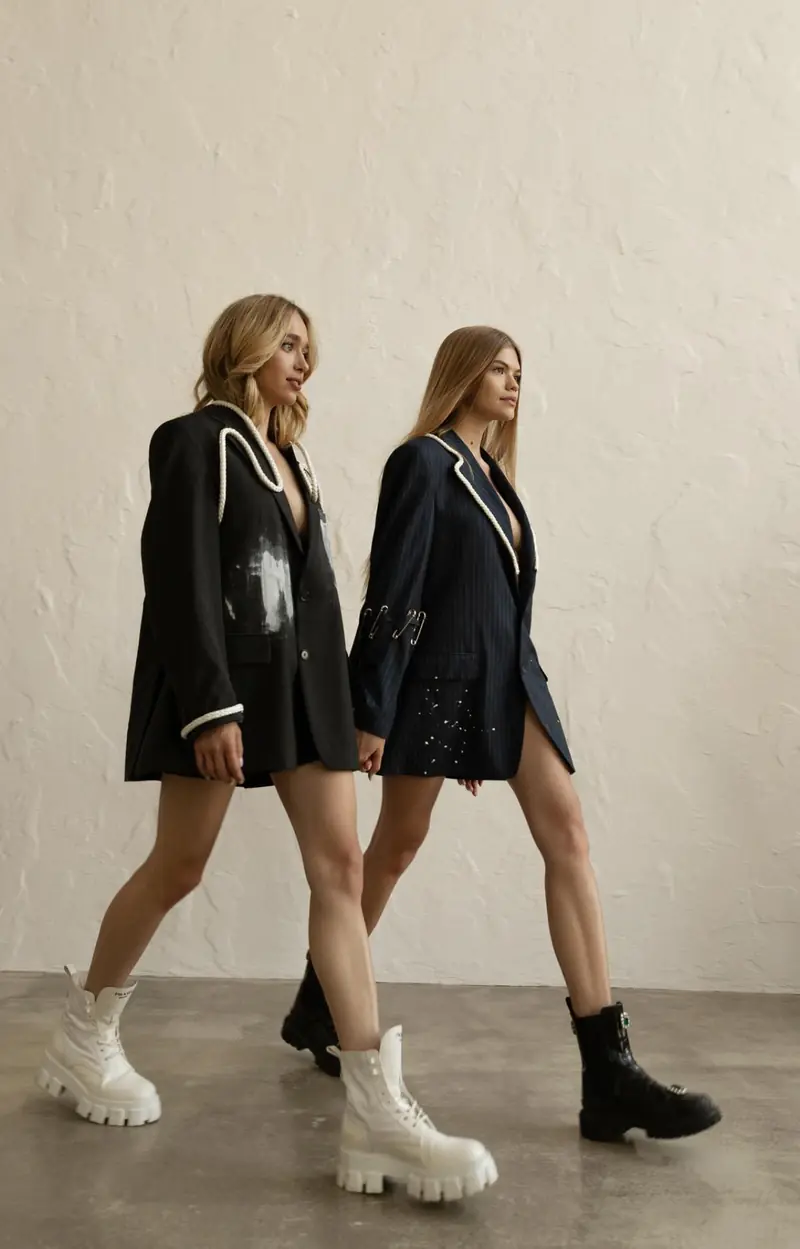
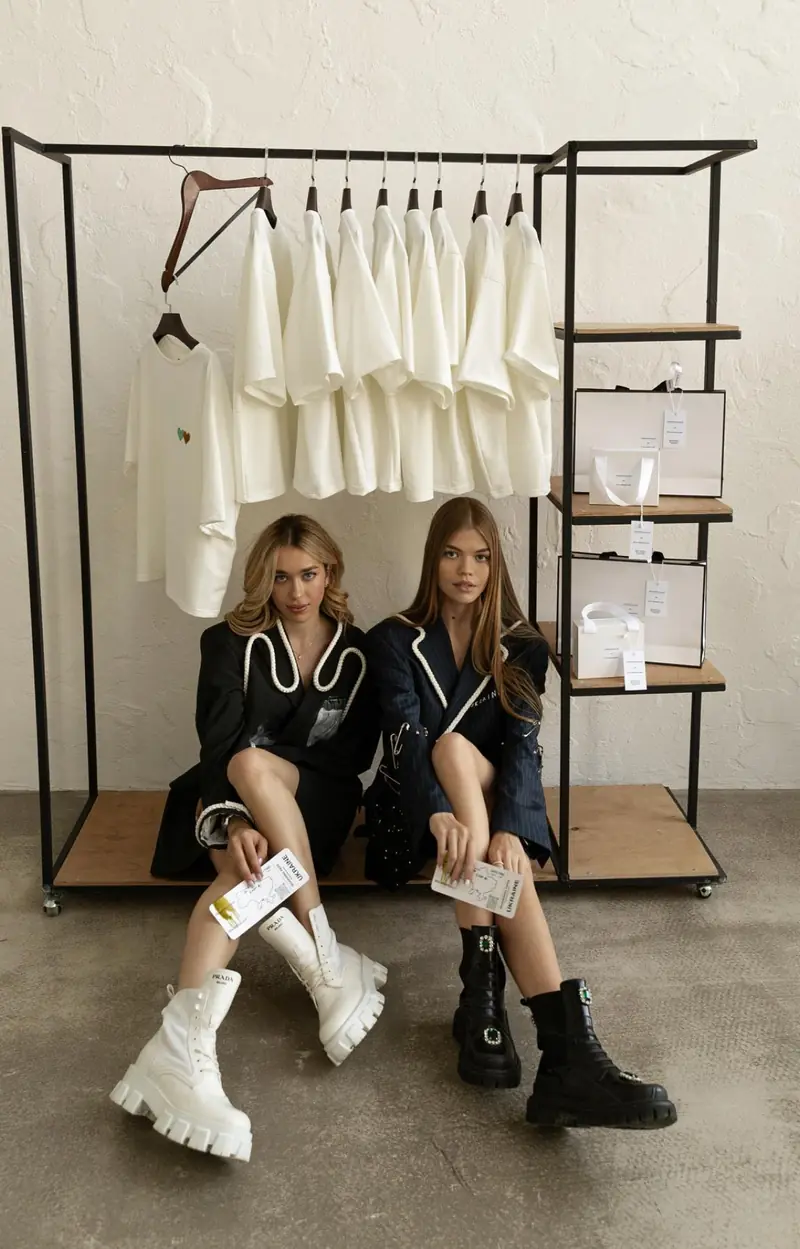
Choose a studio when you need control over light, background and consistency, as with catalogue and product images. Choose a location when the setting is part of the story, as with campaigns and editorial work. Many brands combine both. Decide by what the images must say, where they will appear and how much unpredictability you can accept.
What is the difference between a studio and a location shoot?
A studio is a controlled indoor space where light and background are set by the photographer. A location is a real place: a street, a home, a park, a shop. The place and the light shape the mood of the picture, whichever you choose.
This is a guide to the choice in general. It is not a statement about any particular space.
When is a studio the better choice?
A studio suits work where consistency and control matter:
- E-commerce and catalogue images. The same light and background across many items.
- Product and still-life work. Precise control over reflections, shadows and detail.
- Clean portraits and headshots. A simple background keeps the focus on the person.
- Weather-proof planning. Rain or heat does not move the schedule.
- Longer days with many changes. Clothing rails, mirrors and steamers are easier to manage in a fixed space.
Our fashion brand service covers campaigns, lookbooks and e-commerce, and a full shoot can include models, location, studio, creative direction and production. A studio is one element of a shoot, among others.
When is a location the better choice?
A location suits work where context and atmosphere tell the story:
- Campaigns and editorial stories. A setting adds a mood no plain backdrop can.
- Lifestyle images. Showing clothing or products in real life.
- Brand identity. A place that already looks like your brand.
- Personal branding. A workplace or favourite spot makes portraits feel natural.
- Events. The venue is the setting.
On location, you trade control for character. That is a good trade when the story needs it.
How do light and mood compare?
Light is the main difference. In a controlled space you decide the direction, softness and colour of the light. On location you work with what is there: window light, open shade, evening sun, city lights. Both can look beautiful. The question is whether you want to design the light or discover it.
Mood follows. A plain background says "clear and clean". A real place says "this is how it feels to be here". If you are unsure, our guide to editorial moodboards shows how to describe the mood you want before you choose.
What about weather, permissions and logistics?
Plan these before you decide:
- Weather and season. Toronto weather changes a lot. Outdoor shoots need a back-up plan and extra time.
- Permissions. Some places need permission to shoot. Ask the owner or the managing office in advance.
- Access and parking. Check where cars, rails and equipment can go.
- Privacy. On a public location, people may walk through the frame.
- Time of day. Light changes quickly; the schedule should follow it.
- Changing space. Models and clients need somewhere to change and rest.
- Noise. Traffic and crowds may affect video and conversation.
Can you combine a studio and a location?
Often, yes. A common plan is to shoot catalogue images in a controlled space and campaign images on location, so each part gets what it needs. It also lets you reuse garments, models and styling on one planned day. If you are weighing it against cost, read what affects the cost of a fashion photoshoot: location, people and the length of the shoot are all price factors.
How do you brief the photographer for either choice?
Whichever space you pick, the brief makes the day easier. Share your goal, your references and the shot list, and say where each image will be used. For a studio, ask what is available for backgrounds and light and who arranges the space. For a location, send photos of the place, the times you can use it and any rules, and ask the photographer to visit if they can.
Ask for a back-up plan in both cases. A studio day can be affected by delays; a location day by weather and crowds. A short plan B, such as another time, another corner or an indoor option, turns a problem into a small change.
Checklist: how to choose
- [ ] What the images must do: sell, announce or inspire
- [ ] Where they will be used: shop, social media, ads, print
- [ ] How much consistency you need across images
- [ ] How much of the story is in the setting
- [ ] Your tolerance for weather and delays
- [ ] Permissions and access if you pick a location
- [ ] Time and people needed in either case
- [ ] Back-up plan
We start with your goal. Our work starts with understanding the business, and the choice of space follows from that. For lookbook planning, see how to plan a lookbook shoot.
Tell us what you want to shoot. Message us on Instagram @be_an.art or use the contact page. See our studio photography page for the service, and our fashion section for related guides. Pricing is shared on request.
Frequently asked questions
Is a studio or a location better for a photoshoot?
Neither is better in general. A studio gives control over light and background; a location gives atmosphere and context. Choose by what the images must say and where they will be used.
Which is easier for product or e-commerce photos?
A controlled indoor space is usually simpler for consistent product and catalogue images, because the light and background stay the same from one image to the next.
What are the risks of shooting on location?
Weather, changing light, permissions, noise and travel time. A back-up plan and extra time reduce the risk.
Can I combine a studio and a location?
Yes. Many brands shoot the catalogue images in a controlled space and the campaign images on location.
Written by Anna · Nov 23, 2026 · 4 min read.